History
Our Beginnings

Prior to World War II, large concentrations of Japanese settled in a small area of San Francisco’s Western Addition known as “Nihonmachi” or Japantown. However, due to the World War II internment and subsequent urban redevelopment projects that originated in the 1950’s, Japanese American families were eventually dispersed throughout San Francisco.
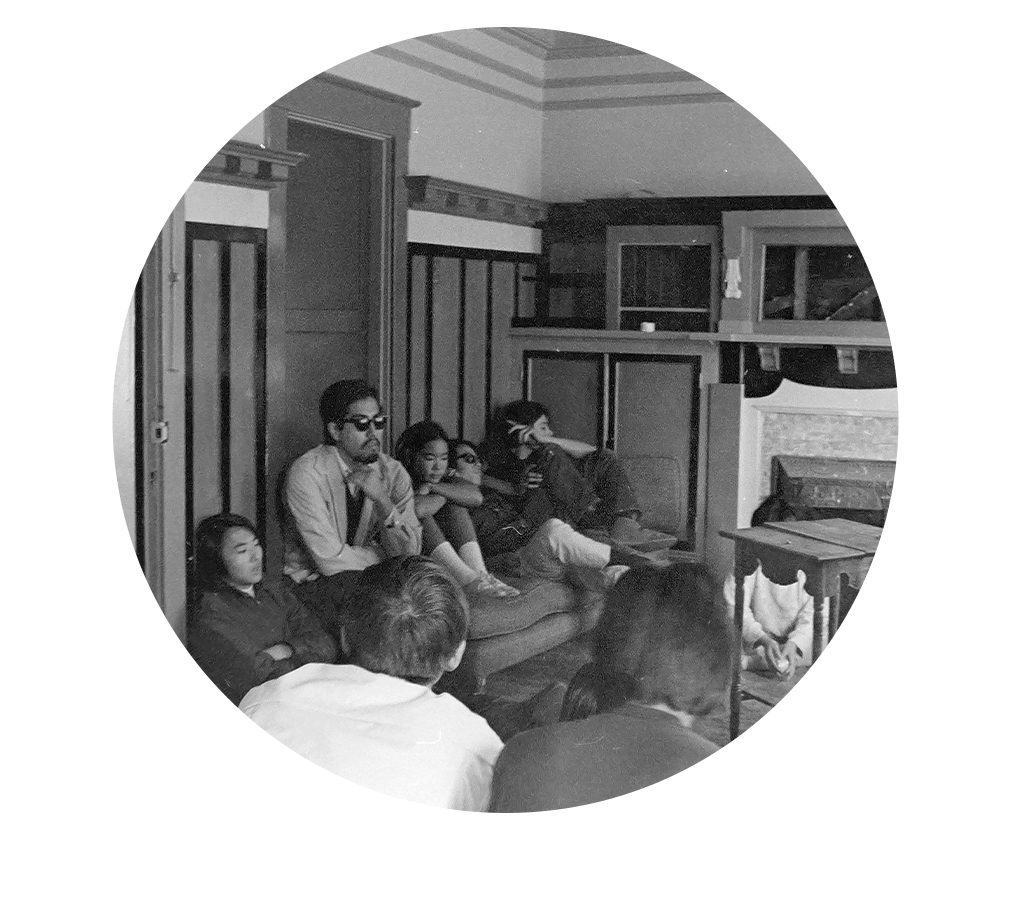
As Japanese American residents slowly moved away from the Nihonmachi area and tourist oriented, commercial businesses emerged, the community’s social fabric began to change. In 1969, a collection of Japanese American youth organizations established a youth council. The intent of the council was to serve as a forum for sharing information, discussing issues affecting young people, and to help re-establish Nihonmachi as a center of activities for Japanese American youth. This council eventually came to be known as the Japanese Community Youth Council.
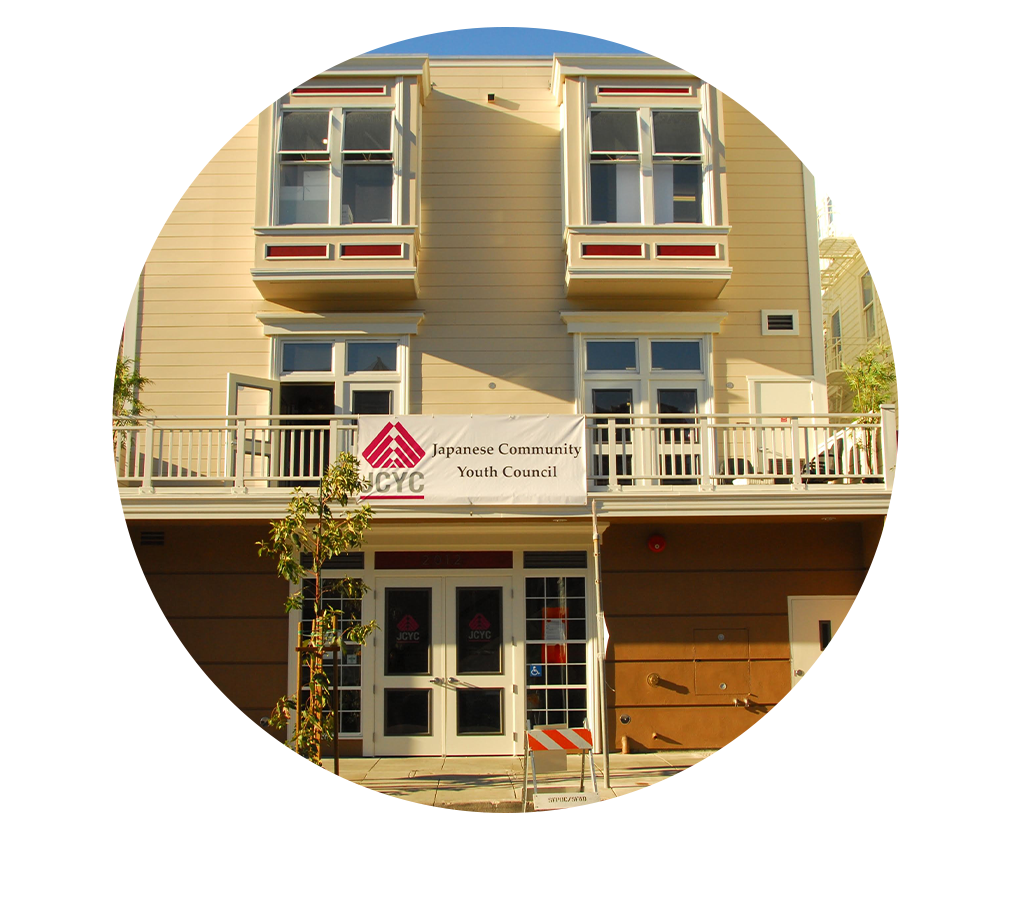
As the council began to address the concerns of youth, it identified the need for a facility. A vacant, two-story building on Sutter Street was transformed into the first JCYC facility and was the genesis for the eventual development of a multi-service community center. In May of 1970, JCYC was officially incorporated as a non-profit organization.
JCYC Today

Over the past five decades, JCYC has become one of San Francisco’s most successful youth organizations. While still committed to children and youth from the Japanese American community, JCYC has evolved and grown into an organization, which annually serves over 7,000 young people from all socio-economic and ethnic backgrounds.
Through a continuum of services, JCYC programs can support children and youth from the time they start pre-school until they are ready to move onto college. In addition to providing direct services, JCYC has also organized and continues to lead some of the largest and most successful youth collaborations in San Francisco.
56 Years of Service
-
![]()
1969
The Japanese Community Youth Council, comprised of representatives from student organizations, church groups, Boy Scout troops, and JACL youth members is established.
-
![]()
1970
Key organizer Rev. Ron Kobata becomes the first Executive Director, and JCYC is officially incorporated as a 501c(3).
-
![]()
1971
The JCYC day camp program begins.
-
![]()
1973
Jeff Mori becomes Executive Director.
-
![]()
1974
JCYC moves to 2012 Pine Street.
-
![]()
1979
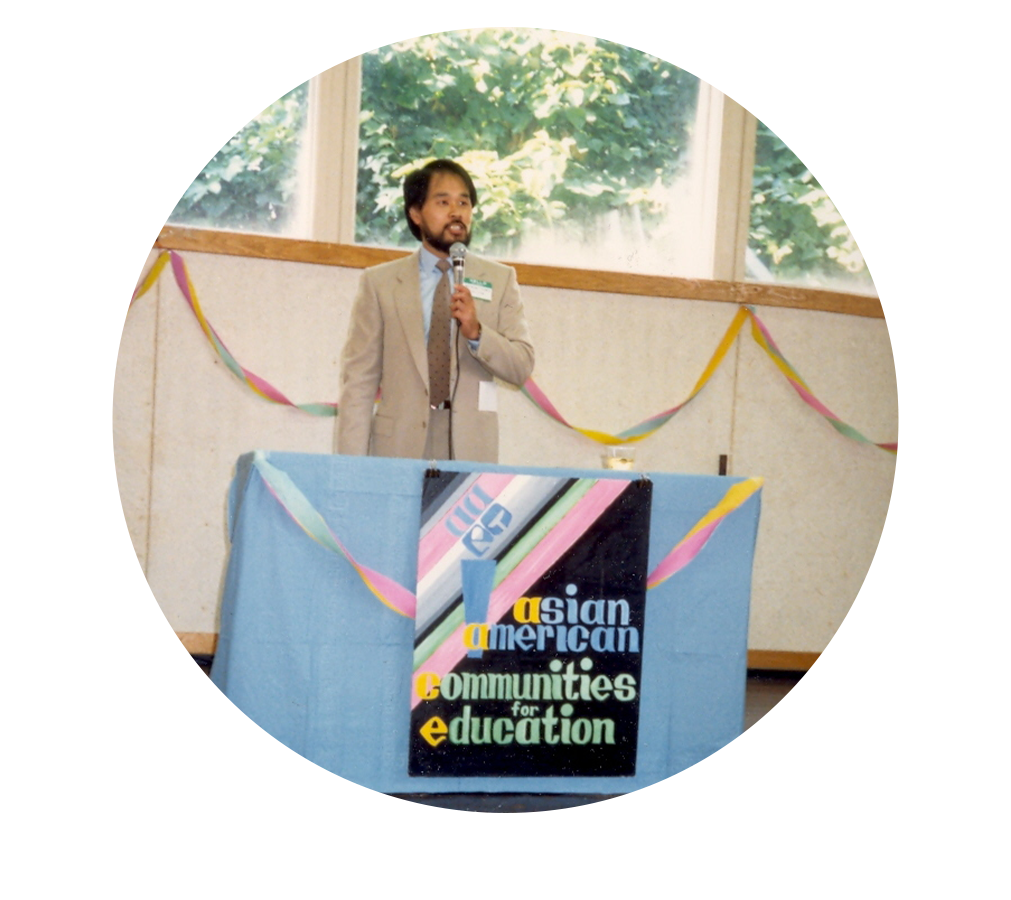
Asian American Communities for Education (AACE) program is established, and represents the first multi-ethnic API partnership for JCYC.
-
![]()
1983
Mayor's In School Youth Program (MISYP) is established and becomes the first citywide multi-ethnic collaboration for JCYC.
-
![]()
1987
JCYC establishes the Asian Youth Substance Abuse Prevention (AYSAP) project, the largest federally-funded API substance abuse prevention project in the country.
-
![]()
1989
Chibi Chan Preshool is established.
-
![]()
1990
Neighborhood's In Transition - A Multicultural Program (NIT-AMP) is established to organize communities in efforts to reduce substance abuse.
-
![]()
1992
JCYC becomes the lead agency for the Mayor's Youth Employment and Education Program (MYEEP).
JCYC assumes oversight of the New Ways Workers - SF project.
JCYC establishes the Asian American Communities Against Aids project.
-
![]()
1994
JCYC partners with the Richmond District Neighborhood Center to establish the Richmond District Afterschool Collaborative.
-
![]()
1995
JCYC becomes the first community-based non-profit in Northern California to host a federally funded Upward Bound project.
-
![]()
1996
Jon Osaki becomes Executive Director.
JCYC establishes the Tomodachi Summer program.
-
![]()
1997
JCYC becomes the lead agency for the Safety Network partnership, mobilizing communities to increase public safety.
-
![]()
1998
SF YouthWorks is established to provide youth internships with city departments.
JCYC partners with the Richmond District Neighborhood Center to establish the Richmond Village Beacon Center.
-
![]()
1998
JCYC establishes the Japanese American Youth Services (JAYS) to organize a youth council in Japantown.
-
![]()
1998
The Asian Youth Prevention Services program is established to prevent substance abuse among API youth.
-
![]()
2000
JCYC launches Nikkei Family Magazine.
-
![]()
2001
The San Francisco College Access Center is established as the first California Student Opportunity and Access Program in San Francisco.
-
![]()
2001
Chibi Chan moves to Rose Court and expands to provide care for toddlers.
-
![]()
2002
The Nikkei Community Internship Program, JCYC's first statewide partnership, is established in conjunction with the California Japanese American Community Leadership Council.
-
![]()
2003
JCYC establishes a partnership with the SF Human Service Agency to launch new services for youth in foster care.
-
![]()
2006
JCYC partners with the Department of Child, Youth, and Their Families and the Youth Guidance Center to establish the New Directions Program for youth in the juvenile system.
-
![]()
2006
AACE Daly City is established, JCYC's first program offering services outside of San Francisco.
-
![]()
2009
JCYC completes the renovation of 2012 Pine Street.
-
![]()
2011
JCYC launches San Francisco Aloha Run.
-
![]()
2012
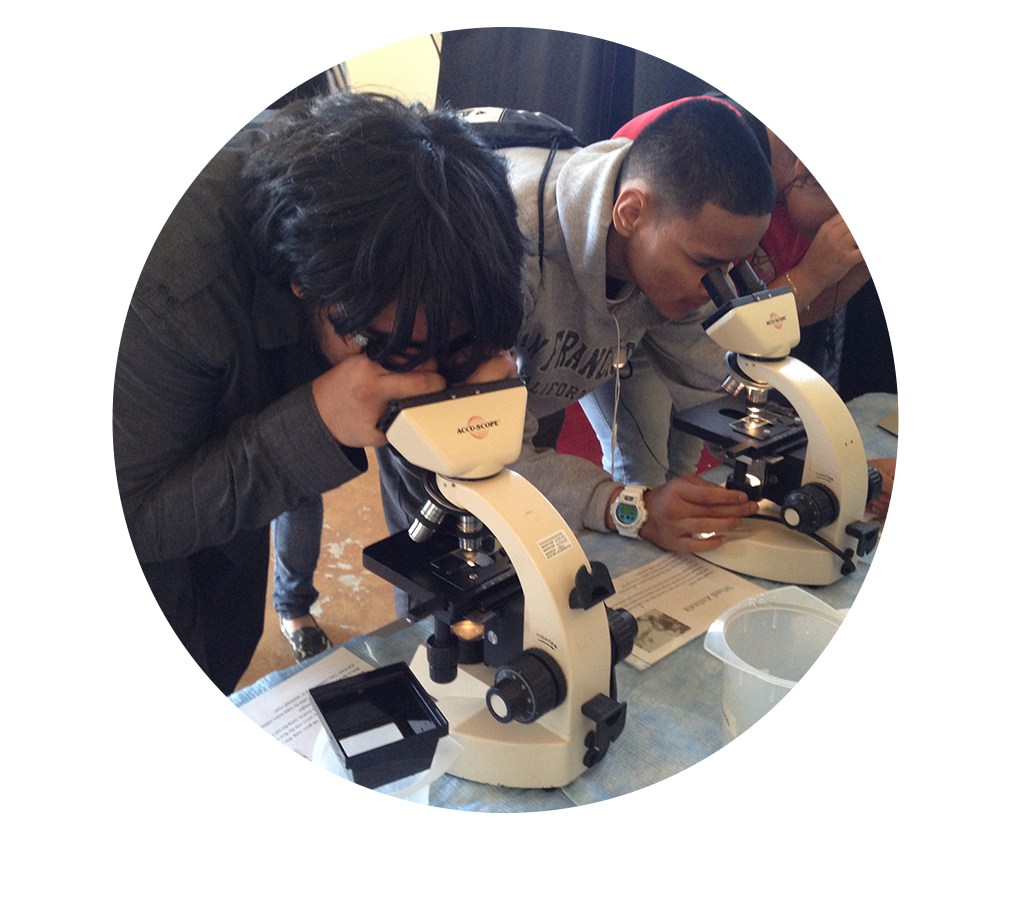
San Francisco STEM Academy is established.
-
![]()
2013
Chibi Chan Too opens at Booker T. Washington Community Service Center.
-
![]()
2017
JCYC partners with San Mateo County to launch the Daly City Prevention Collaborative.
-
![]()
2018
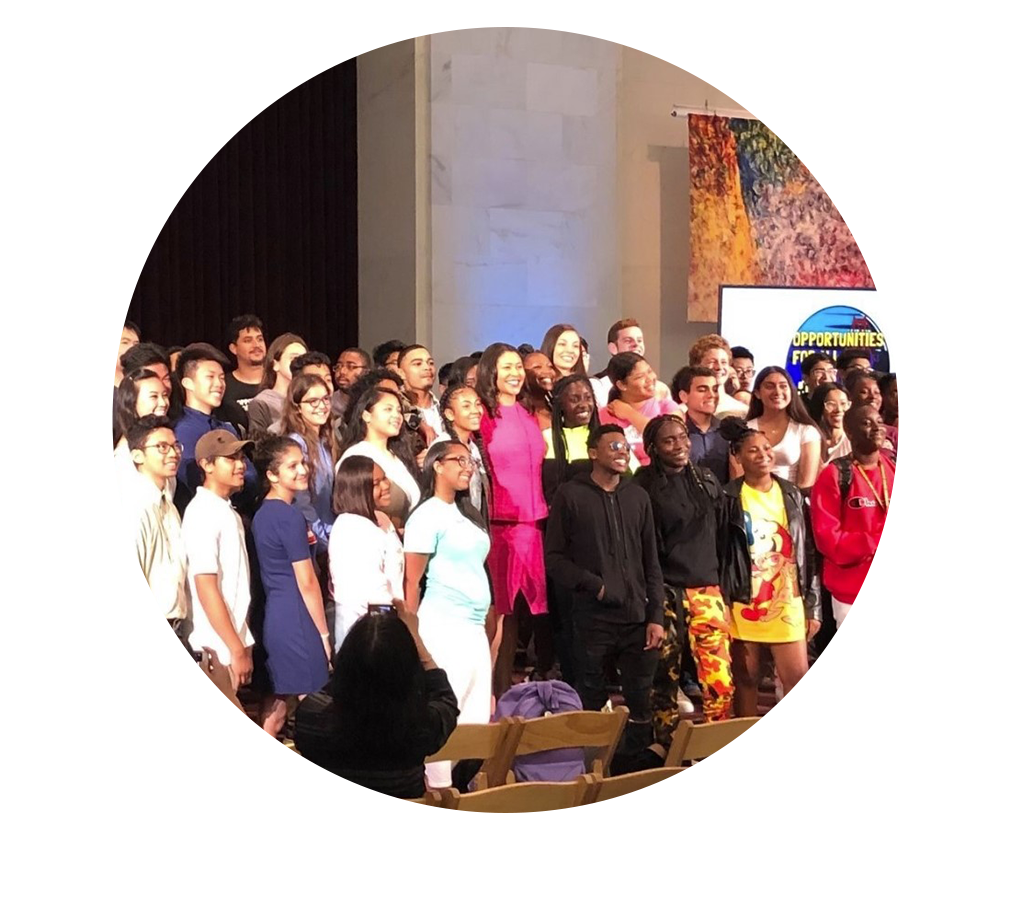
JCYC partners with the City of San Francisco to launch Opportunities For All.
-
![]()
2022
JCYC holds its 5 Decade Celebration at the San Francisco War Memorial.